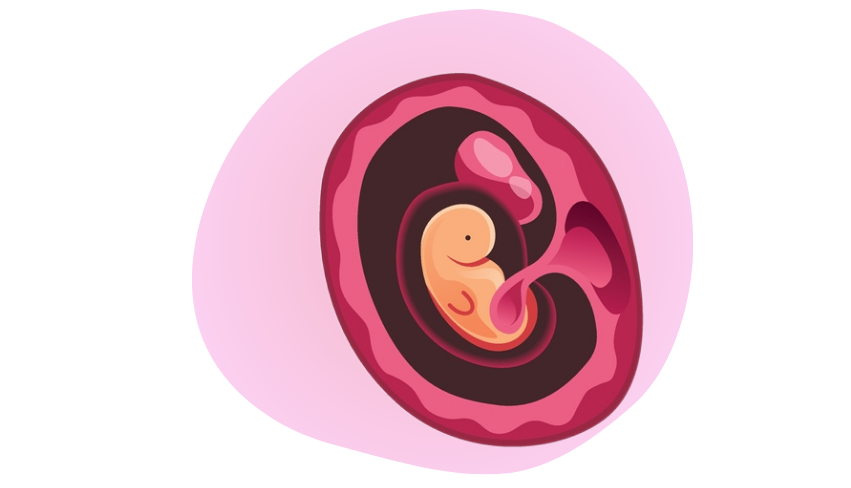
Are you ready to develop your ultrasound skills in early pregnancy assessment?
|
| Zedu's two-day Introduction to Early Pregnancy Assessment for Sonographers course offers an immersive and practical experience to fast-track your skills development and get you work-ready. |
Who should attend
|
- Trainee sonographers who need to learn new skills.
- Newly qualified sonographers seeking to enhance their confidence and skill level.
- Return-to-practice sonographers in need of skill refreshment.
- Sonographers who are looking to change roles and want to hone their skills.
|
How you will learn
|
| At Zedu, we believe in a comprehensive learning approach. |
| Our renowned hands-off teaching methods ensure you get more hands-on scanning practice. Our courses blend theory seamlessly with extensive practical sessions. |
| You'll understand the concepts and apply them in real-world scenarios. We take a step-by-step, structured approach to examinations, ensuring everything is covered thoroughly and nothing is left to chance. |
| The focus on repetitive practice ensures that you learn and retain the knowledge. You will practice on real people of various body shapes, sizes, and ages. |
| We start by developing your skills with normal, uncomplicated patients and then progress to more challenging body habitus’. |
| This gradual progression ensures that you build a solid foundation before tackling more complex scenarios, giving you the confidence to handle any situation. Additionally, you'll develop communication skills to support your clinical practice. |

You will learn how to:
- Move the probe intentionally to get the image you want.
- Use the machine controls to optimise images proficiently.
- Apply a systematic approach and structured protocol for scanning the:
- Maternal anatomy
- Pregnancy structures
- Embryo/fetus
- Determine what images to take and why.
- Perform accurate biometric measurements (CRL, HR, MSD, YS).
- Identify normal sonoanatomy and the appearance of common pathologies.
- Evaluate pain and bleeding in the first trimester.
- Use the diagnostic criteria to identify pregnancy failure, pregnancies of unknown location and indeterminate pregnancies.
- Identify ectopic pregnancy.
- Establish chorionicity and amnionicity in multiple gestations.
- Communicate effectively in the exam room to obtain an appropriate presenting history, address patient concerns and enhance patient satisfaction.
- Communicate unexpected findings to the patient in early pregnancy.
- Use sonographic terminology to accurately communicate ultrasound findings and complete worksheets for various imaging scenarios.
Running time
Course outline
🖥️ Scanning principles
- Explore system controls & knobology
- Understand the impact of optimisation on the image
- How to find the right window & get good images
- 3D awareness of the anatomical position of the anatomy
- Ergonomics
🖐️ Probe manipulation
- Probe moves
- Probe grip
- Probe & screen orientation
- 3D awareness of the anatomical position of the anatomy
🗣️Communication
- What is legal consent
- How to gain informed consent
- How to get a good clinical history
- Writing up worksheets - what needs to be said?
🔍Early Pregnancy Assessment
- Sonoembryology
- Scan technique & approach to the early pregnancy examination
- Ectopic pregnancy
- Pain & bleeding in the first trimester
- Measure fetal heart rate
- Measure crown rump length, gestational sac & yolk sac
- Establish gestational age
- Determine fetal viability
- Diagnostic criteria for pregnancy failure
- How to assess multiple pregnancy
- Techniques to improve visualisation
- Free fluid in the peritoneum
- Subchorionic haemorrhage
- 🤰 Scanning practice on real women in their first trimester of pregnancy
🔍Maternal Environment
- Maternal structures
- Cervix assessment
- Pelvic abnormalities & pathology